SWIP-North construction underway; provides key link in Western transmission connectivity
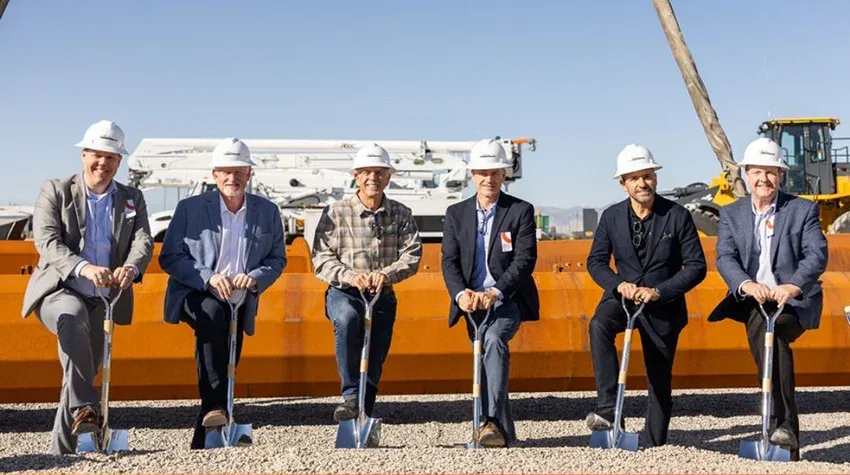
Enhanced coordination and stronger transmission connectivity across the West – proven steps to benefit energy reliability and affordability – got a big boost recently when construction began on a pivotal new multi-state transmission link.
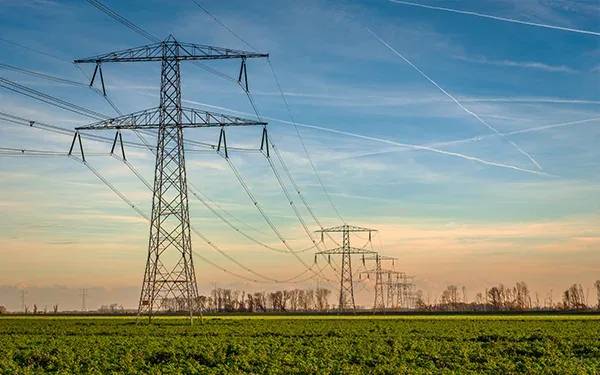
Known as SWIP-North (Southwest Intertie Project-North), the 285-mile, 500-kilovolt line will connect Midpoint, Idaho to Robinson Summit, Nevada. By tying into an existing 600-mile line moving power from Robinson Summit south to the Harry Allen substation near Las Vegas, the link creates a key energy highway that connects to the California ISO (ISO) system.
This piece of Western transmission infrastructure strengthens the connections among the Northwest, Idaho, Nevada, California and the broader Western grid. It will deliver more than 1,000 megawatts of clean energy to California and the Southwest, while also expanding Idaho Power’s ability to access and import energy into its system.
Elliot Mainzer, the ISO’s president and CEO, joined other officials in celebrating the start of construction at a September 3 groundbreaking ceremony in Ely, Nevada.
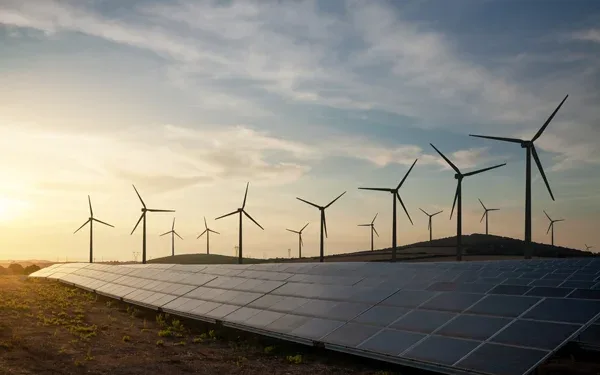
“One of the West's greatest strengths is its resource diversity,” Mainzer said at the groundbreaking. “When it is hot in one part of the West, conditions may be very different somewhere else. When wind or solar production declines in one part of the system, other resources may be available elsewhere. A stronger transmission network allows utilities to benefit from that diversity – to move power where it is needed, when it is needed.
“That improves reliability. It creates stronger regional electricity markets. It helps us integrate new generating resources more efficiently. And ultimately, it can help us bend the cost curve for the millions of consumers we collectively serve.”
The California ISO helped bring the project to fruition when its Board of Governors approved it as an addendum to the ISO’s 2022-2023 Transmission Plan. In its memorandum to the board, the ISO’s transmission planning team said SWIP-North would “provide resource diversity, improve reliability by creating a parallel path to the California Oregon Intertie (COI) line, reduce congestion costs on the COI, reduce renewable resource curtailment, and enable the ability to export excess solar from the state.”
Over the last five annual transmission planning cycles, with the demand for electricity growing rapidly across the West after a long period of being relatively flat, the ISO has approved more than 160 transmission projects to meet reliability and state energy policy objectives.
The projected cost for the upgrades is more than $28 billion over the next 10-15 years, with the capital costs recovered over the life of the projects.
By their very nature, transmission projects are complex. They often take a long time to be planned, approved, financed and built. Projects that span several states are even more complicated, with multiple regulatory approvals, coordination and partnerships required.
SWIP-North is being developed by LS Power, through its affiliate Great Basin Transmission. LS Power said the project represents an investment of more than $1 billion in transmission infrastructure and is expected to become operational in 2028.
In a news release from LS Power about the groundbreaking, Paul Thessen, the company’s president highlighted the multiple entities involved in advancing the project.
"SWIP-North,” he said, “represents a unique cooperation between multiple regions, states and utilities – and a great example of innovation and collaboration between a private developer, LS Power; Western electric utilities, NV Energy and Idaho Power; and a regional grid operator, the California ISO, to balance cost allocation, capacity sharing and benefits.”